I’m a creative technologist and educator passionate about designing interactive, human-centered experiences that enhance learning and connection.
I’m passionate about designing solutions that are inclusive, intuitive, and impactful, drawing from my interdisciplinary background in software development, user-centred design and integrated communication.
Designed a responsive website tailored to the unique needs of mental health clients, ensuring seamless access to therapy services, resources, and appointment bookings.
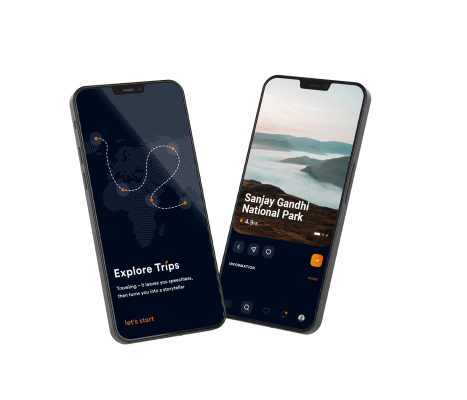
Designed an interactive app with gamification and augmented reality to guide Gen Z and millennials through Mumbai’s neighborhoods, landmarks, and cultural heritage.
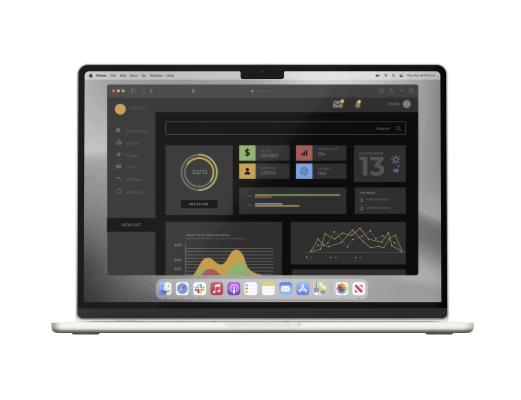
Built a network monitoring system for an enterprise ISP, with intuitive dashboards to visualize key metrics and predictive analytics for proactive management.
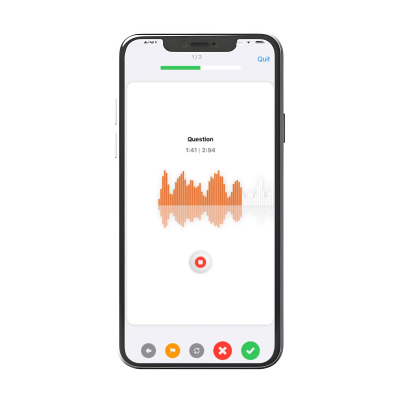
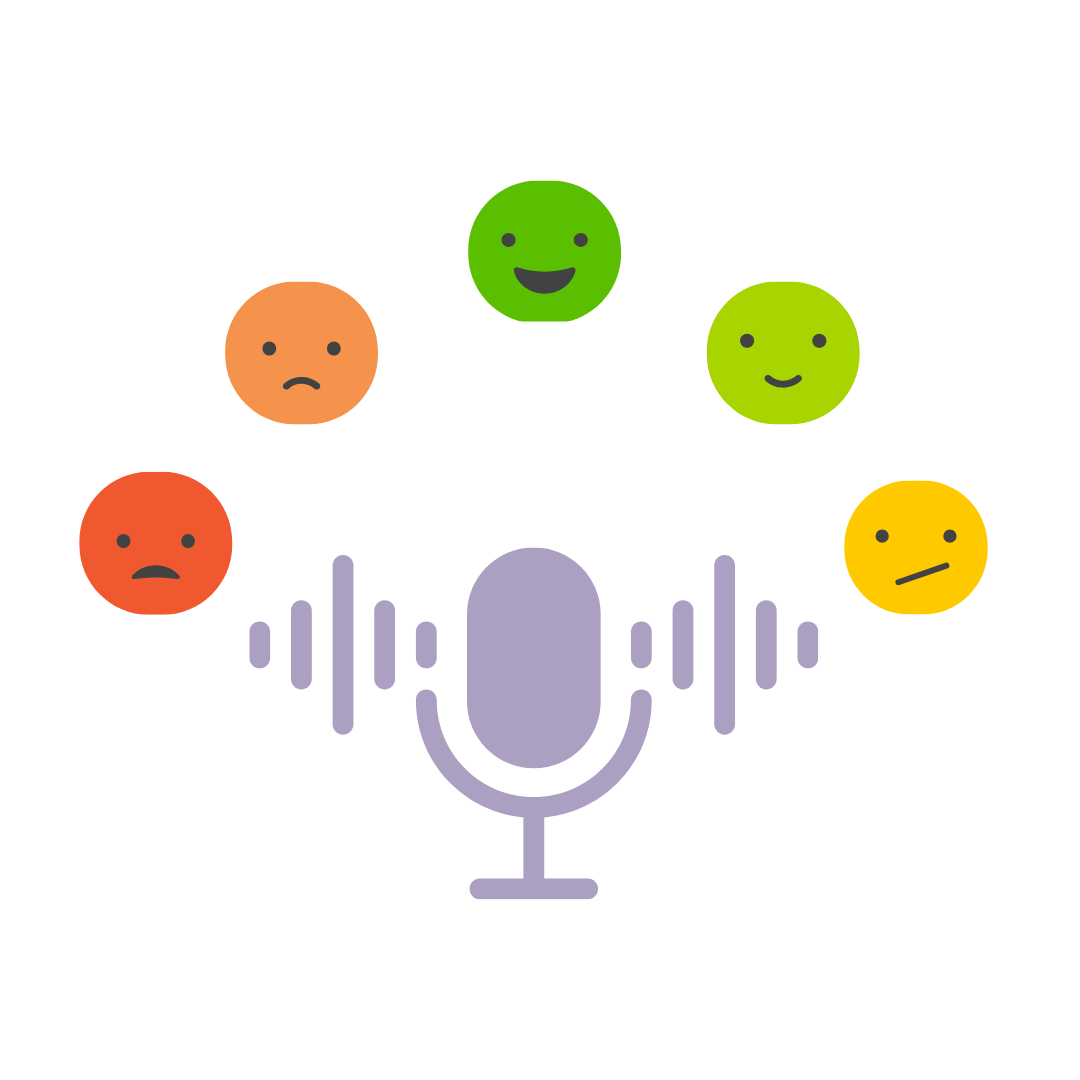
What if machines could hear how we feel? Speech Emotion Recognition (SER) dives into the world of vocal cues, capturing emotional undertones in spoken language. From anger to calmness, fear to happiness, this field explores how our voices convey what words alone cannot.
Why It Matters
Emotion is at the heart of human connection, and it’s time our machines caught up. By recognizing emotions in speech, SER transforms how we interact with technology. Think virtual assistants that soothe frustration, educational tools that sense disengagement, or mental health systems that listen—not just to what you say, but how you say it.
What I Built
I set out to bring emotions into the digital fold. Using the RAVDESS dataset (a treasure trove of over 7,000 emotion-labeled speech samples), I focused on identifying anger, calmness, fear, and happiness in voices.
The Process
Listening for Clues: With Librosa, I extracted MFCCs, chroma features, and mel spectrograms—each a fingerprint of the speaker’s emotional state.
Training the Brain: A Multi-layer Perceptron (MLP) model learned to distinguish emotions from these features, finding patterns that even we might miss.
Testing the System: Splitting the dataset, I put the model to the test, analyzing its accuracy with confusion matrices and classification reports.
How It Works
MFCCs capture the subtle shifts in voice pitch and energy.
Chroma features highlight harmonic tones that give speech its emotional flavor.
Mel spectrograms map frequency changes over time, adding depth to the analysis.
What It Achieved
The system demonstrated a strong ability to classify emotions, showcasing how audio feature extraction and machine learning can decode emotional states with precision. The trained model highlighted the potential of SER to drive more empathetic and adaptive systems.
Where It Can Go
From empathetic virtual assistants to smarter customer service systems, SER is already rewriting the rules of interaction. It could shape:
Mental health tools that track emotional well-being.
Learning platforms that adapt to student moods.
Entertainment systems that respond to your vibe in real time.
What’s Next?
The journey doesn’t end here. Expanding to include diverse accents, languages, and emotional expressions will only make SER more robust. Add in continuous learning, and the possibilities grow—systems that truly understand how we feel, wherever we are.
Topic Modelling in Python with spaCy and Gensim - Uncovering Hidden Themes
Ever wondered how machines sift through endless text to find meaning? Topic modeling is the answer. It’s an NLP technique that discovers the hidden themes in large collections of text. Using Latent Dirichlet Allocation (LDA), it organizes unstructured data by assigning documents to a mix of topics, each made up of related words. Think of it as sorting chaos into clarity.
Why It Matters
The world runs on data, but raw text is messy. Topic modeling transforms that mess into actionable insights. Whether it’s organizing reports, uncovering trends, or simplifying information retrieval, LDA gives structure to the unstructured, making it indispensable for tasks like media analysis, corporate strategy, or policy review.
What I Built
With over 500 H2020 reports in hand, I set out to uncover the core topics they addressed. By combining advanced text processing with topic modeling techniques, I built a framework to map out the diverse areas covered by these initiatives.
The Process
Prepping the Data: With Pandas, I loaded the dataset, cleaned it up, and structured it for analysis.
Text Processing: Enter spaCy – lemmatization, tokenization, and filtering irrelevant parts of speech kept the data focused and relevant.
Creating the Foundation: Using Gensim, I built a dictionary and bag-of-words representation, the backbone of any topic model.
Modeling with LDA: Gensim’s LdaMulticore handled the heavy lifting, identifying clusters of words that formed distinct topics.
Fine-Tuning: By plotting coherence scores with matplotlib and seaborn, I zeroed in on the optimal number of topics.
Visualizing the Results: Finally, pyLDAvis brought the topics to life, making them interactive and easy to explore.
What It Achieved
The result? A detailed map of the key themes embedded within the reports. From topic relationships to the most prevalent terms, the framework delivered an intuitive way to navigate the data and extract meaningful insights.
Where It Can Go
From empathetic virtual assistants to smarter customer service systems, SER is already rewriting the rules of interaction. It could shape:
Content Summarization: Create concise summaries of long reports based on dominant topics.
Effortless Organization: Group documents into themes for easier retrieval and understanding.
Trendspotting: Identify emerging themes across datasets to inform decision-making.
What’s Next?
This is just the start. By incorporating domain expertise, the model could better interpret specific contexts. And with real-time capabilities, it could process new documents as they arrive, keeping insights fresh and actionable.
DeepTalks: Conversations for Connection
A Catalyst for Meaningful Conversations
What happens when artists step away from the noise and come together for genuine dialogue? DeepTalks is an Android application designed to spark these conversations. Inspired by “Guftagu Karein?”, an Indian card game for close-knit discussions, DeepTalks takes this concept into the digital world, creating a space where artists can reflect, share, and connect.
How It Works
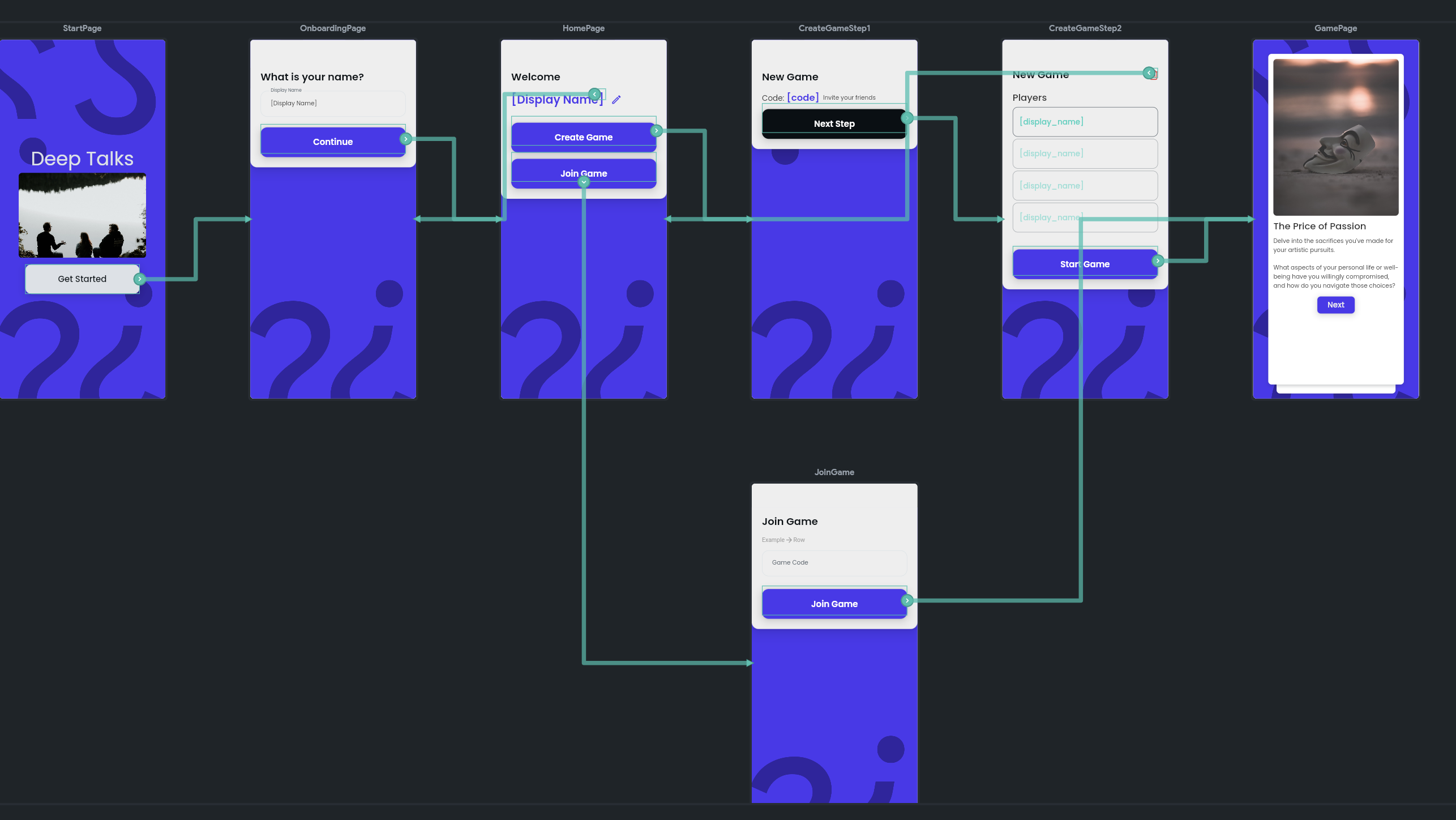
It’s simple. One person creates a session by generating a game code. Others join using the same code, unlocking a shared experience. Everyone sees the same image and prompt simultaneously, setting the stage for unified, thoughtful conversations.
Application Workflow
Curated Prompts, Endless Perspectives
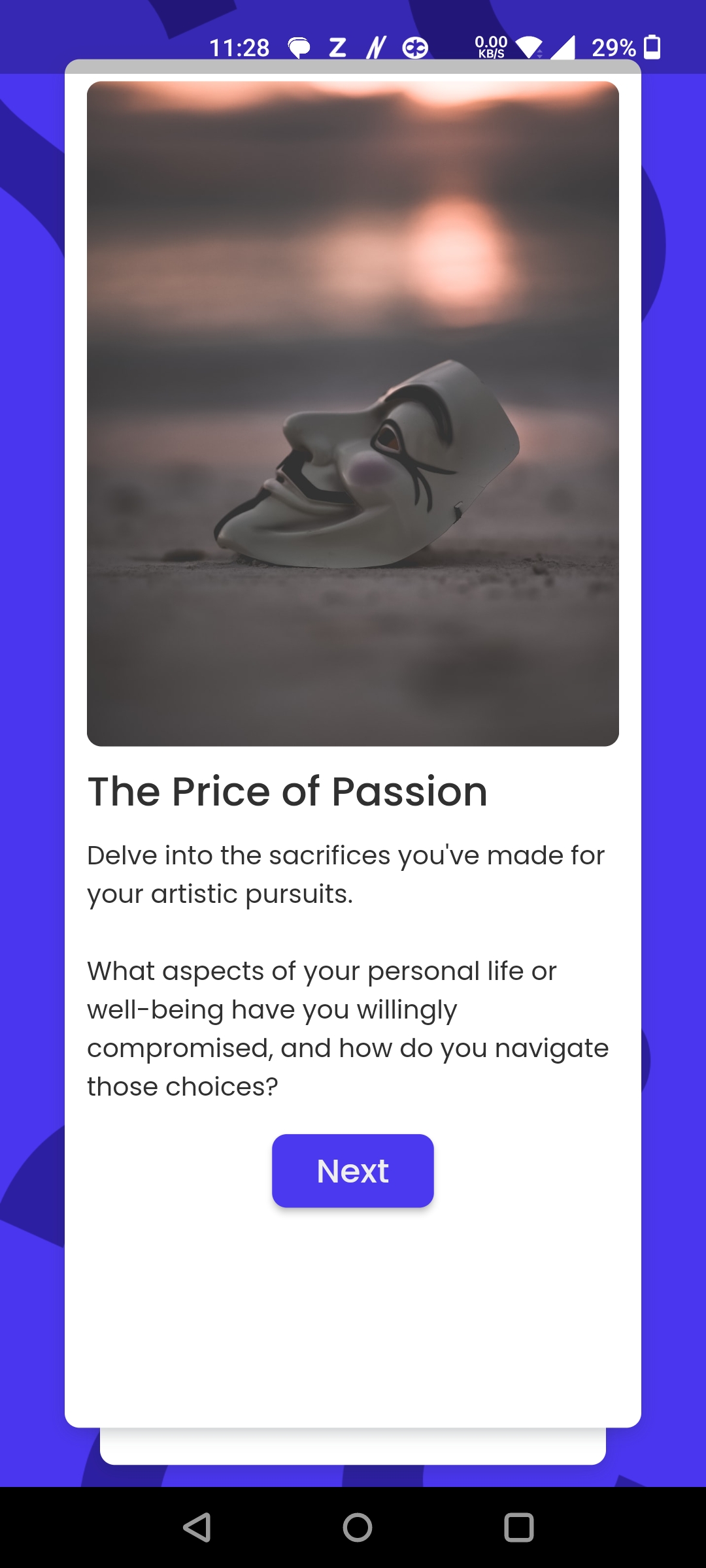
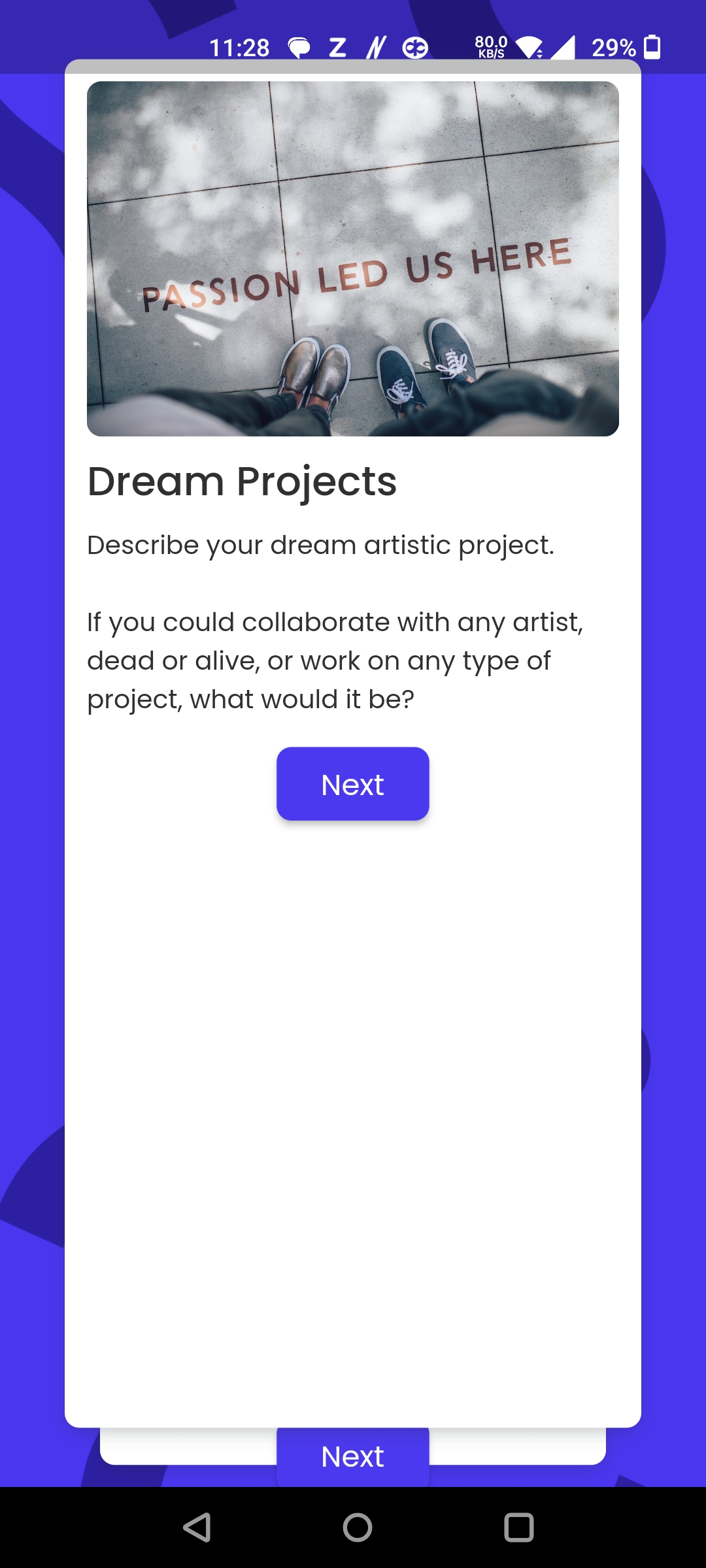
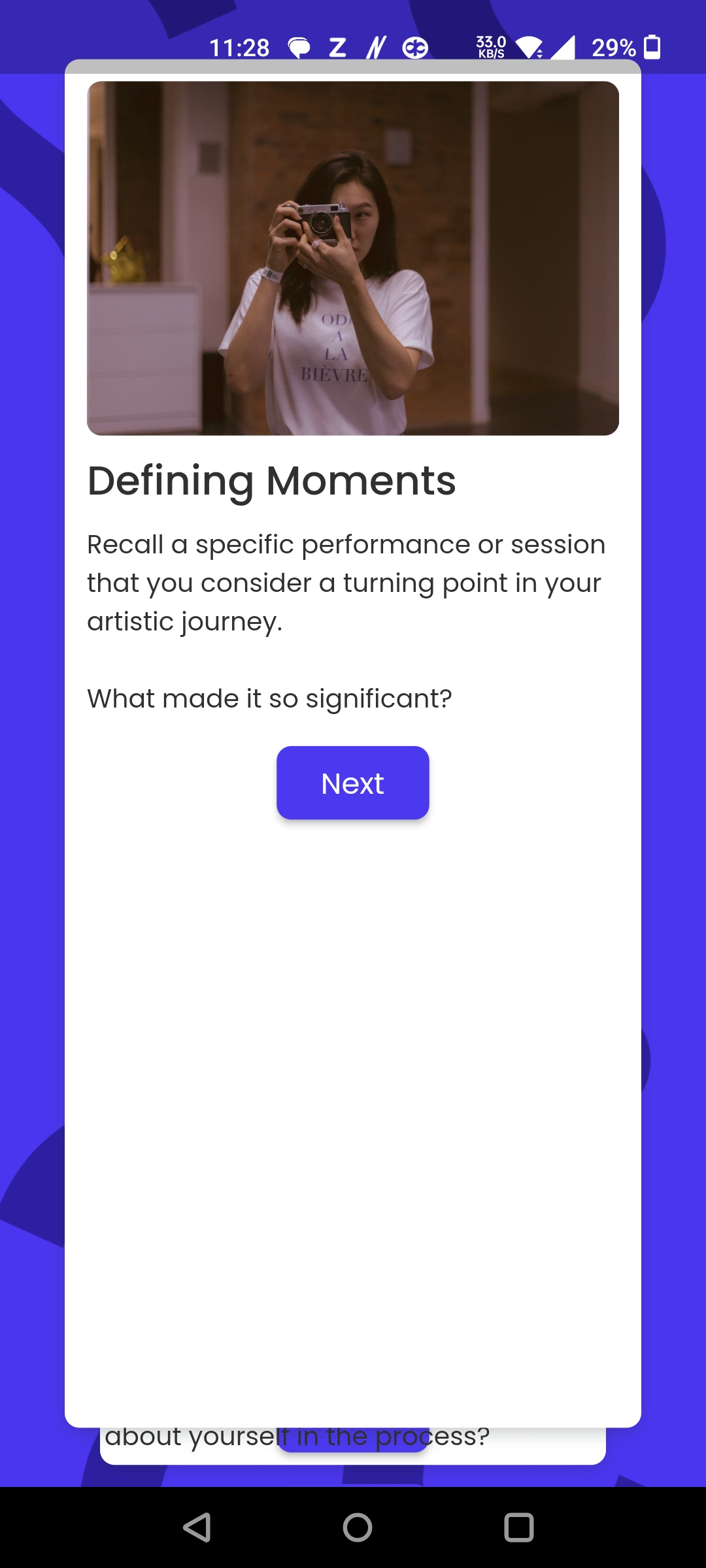
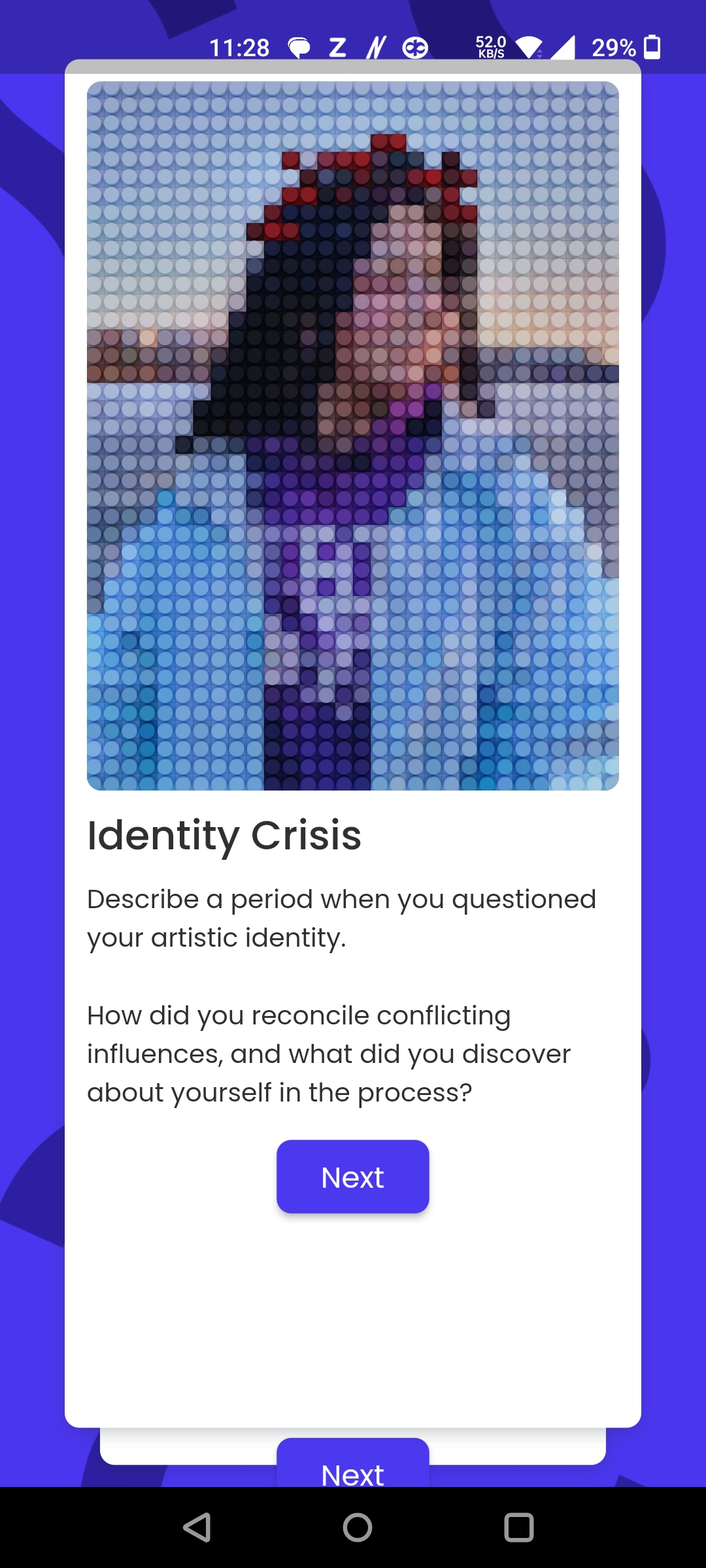
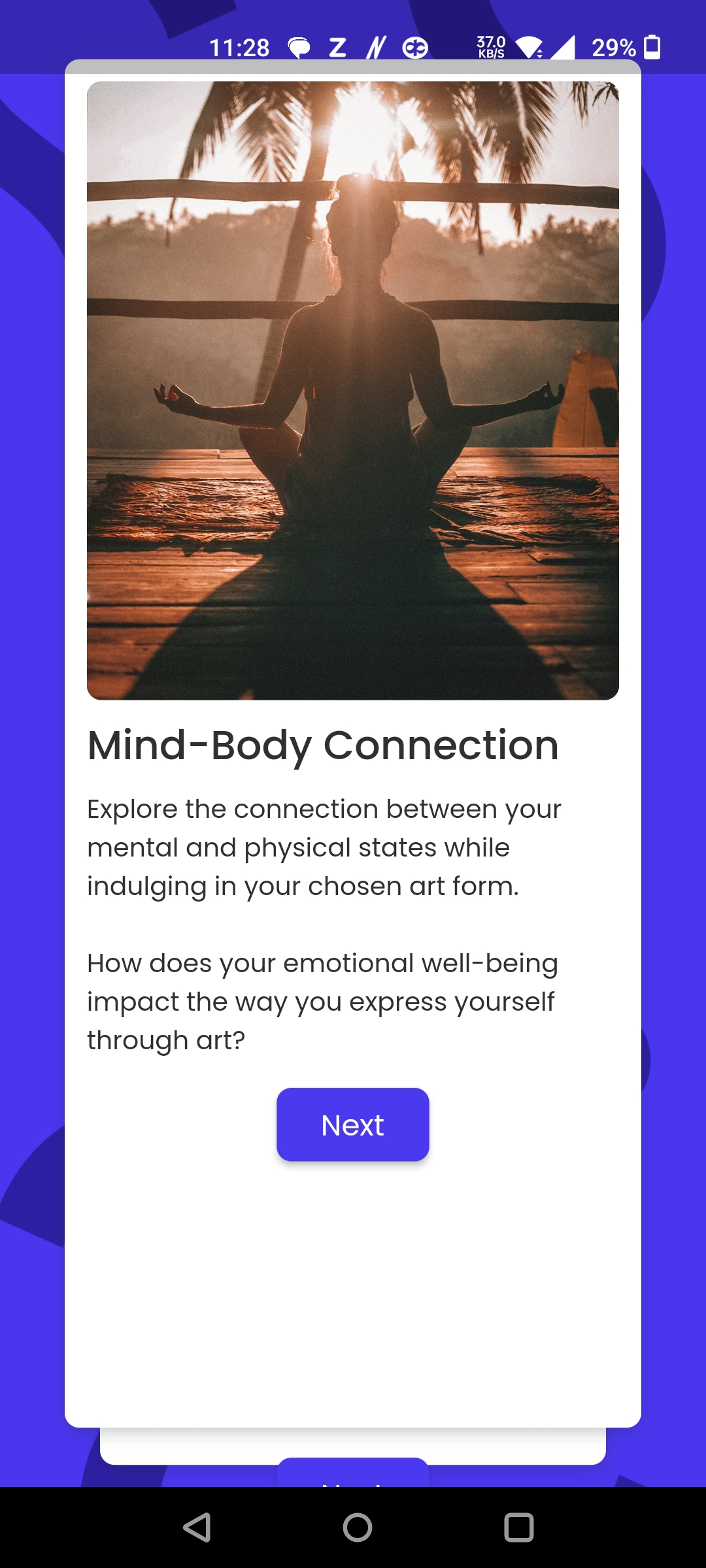
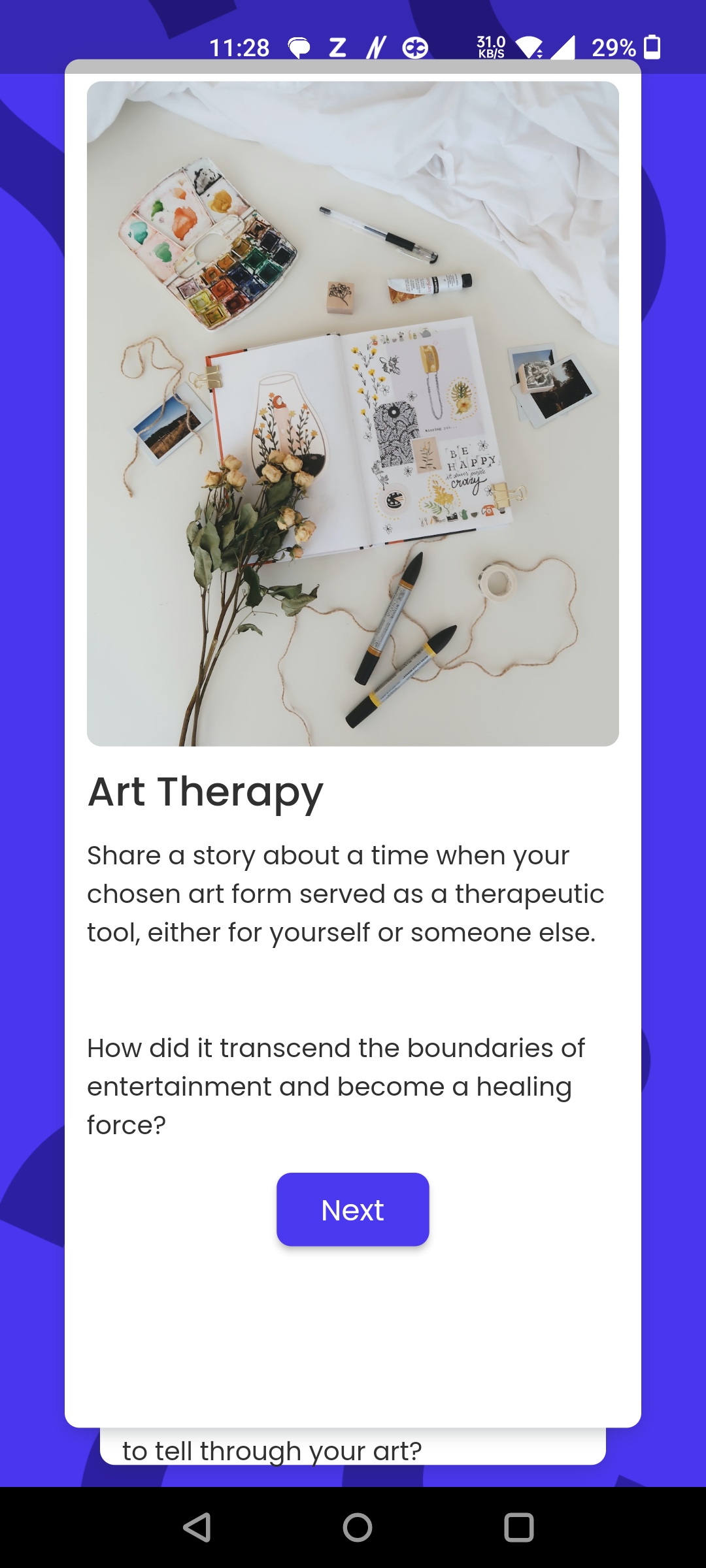
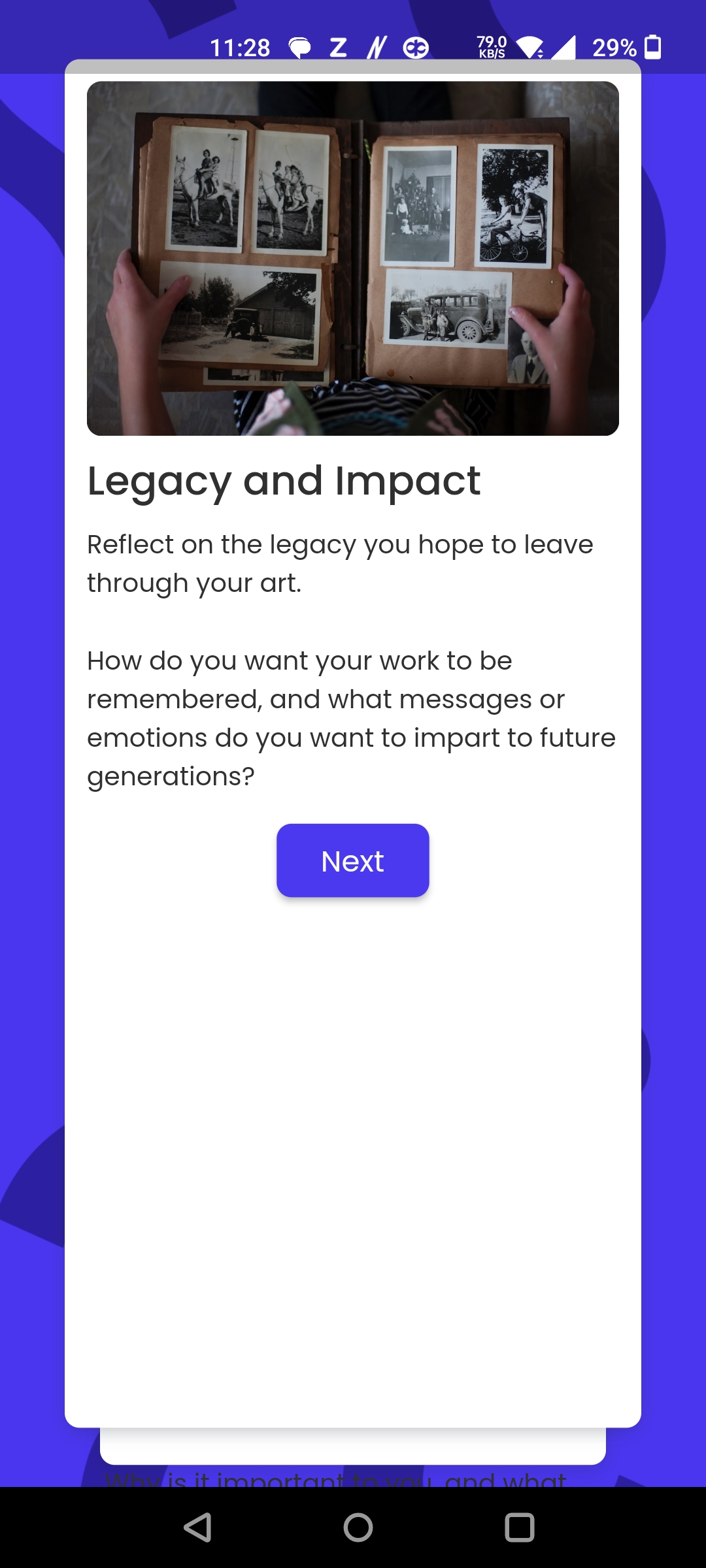
At its core, DeepTalks thrives on carefully crafted prompts. Think: “The price of passion,” “Navigating rejection,” or “Defining moments.” These aren’t just questions—they’re invitations to explore untold stories, personal insights, and collective experiences.
Game Prompts
Why It Matters
In a world of shallow social media interactions, DeepTalks offers something different: depth. It turns ordinary gatherings into hubs of connection, helping artists articulate their emotions, challenge assumptions, and foster a sense of belonging. It’s not just about talking—it’s about being heard.
The Impact
DeepTalks transforms creative isolation into community. By providing a platform for reflection and shared experiences, it encourages vulnerability, empathy, and collaboration. For artists, it’s more than a game—it’s a reminder that connection is as vital as creativity.
What’s Next?
DeepTalks is just getting started. Imagine customizable prompts, AI-generated conversation starters, or features tailored to specific creative communities. The possibilities are endless—but the goal remains the same: meaningful connection in a disconnected world.